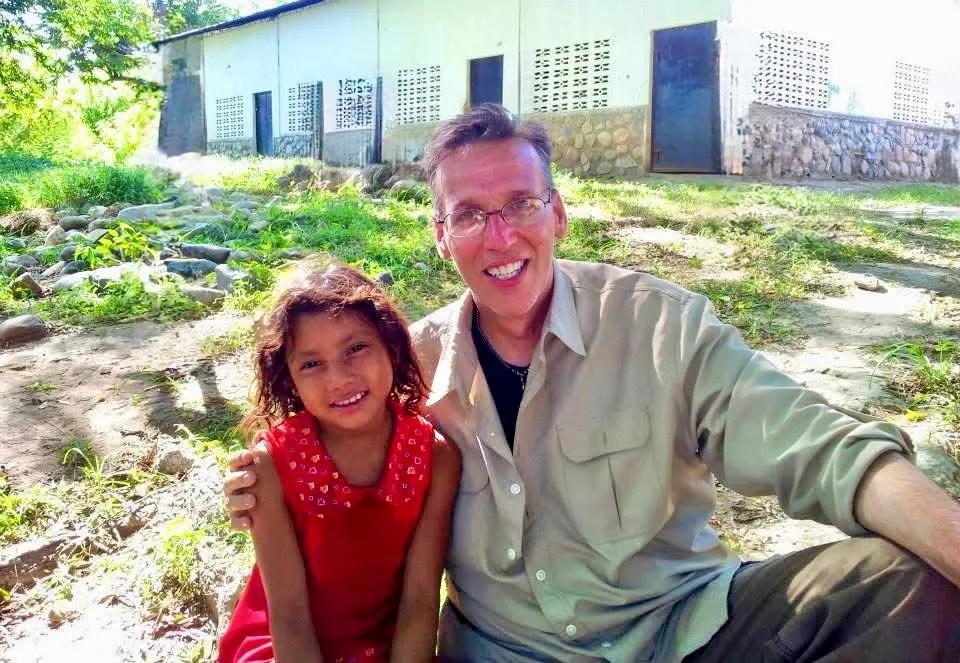
A man at the market was selling chickens. About $12 a pair, or six dollars a bird.
I had a pocket full of cash. It was supposed to go to souvenirs for my grandchildren. I looked at those birds and thought about the village I had just come from, where most families lived on less than two dollars a day.
So I bought chickens. About 80 of them.
That afternoon at a market in Guatemala is where Million Miles, Million Smiles began. Here is how I got there.
"Not that kind of mission"
In 2013, someone at church asked if I wanted to join a mission group going to Guatemala.
It sounded like a cool thing, and I said no. I thought mission work meant digging wells and laying brick in the hot sun. I didn't want to dig a hole.
They told me I had it wrong. This trip was about sharing our faith and talking with people, and they had a job in mind for me. The villages sat up in the mountains. Most people there had never seen an American, and they had definitely never seen an American magician. If I did magic, the whole town would come out. Once the crowd was there, the rest of the group could talk with them and share scripture.
That I could do. I said yes.
Twelve hours on a bus
We flew into Guatemala City and got on a bus to Zacapa. The drive should have taken four or five hours. It took 12 or 13.
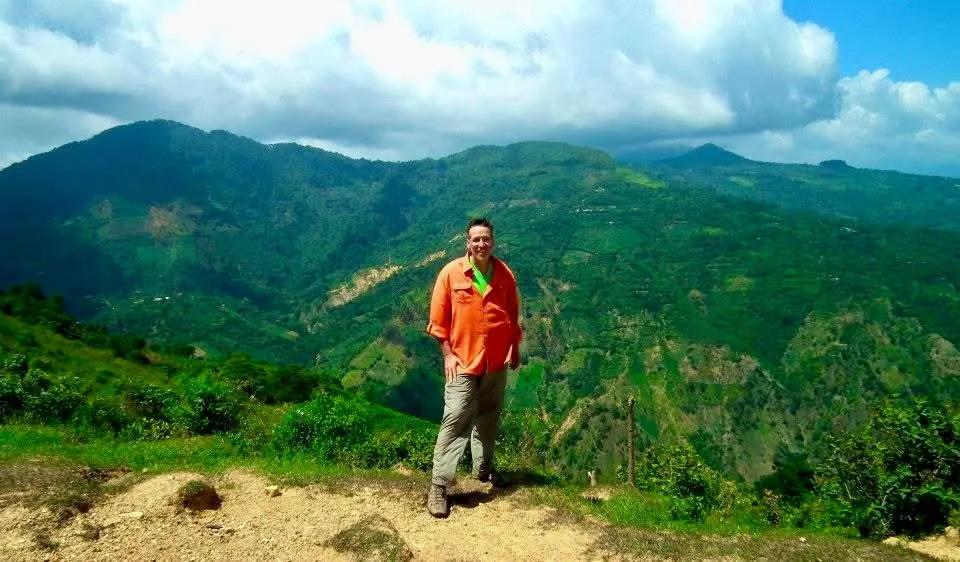
It had rained, and the roads on our side were washed out. So we drove all the way around and came into Zacapa from the other side, where the roads were better.
Señor Mago Loco
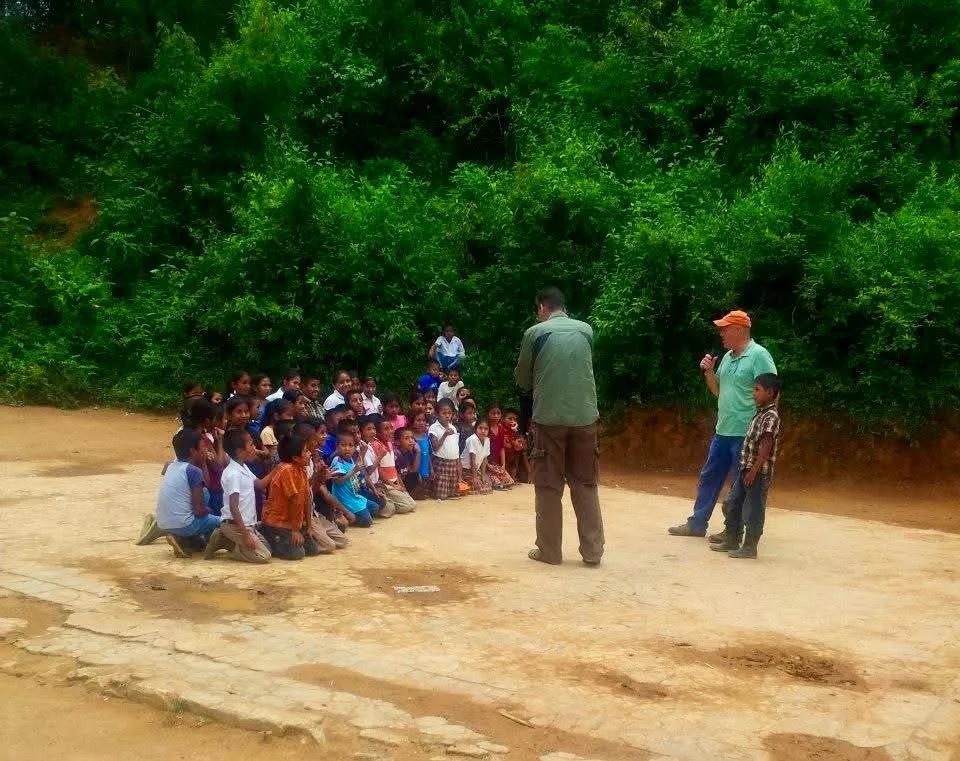
Over about 10 days I did twenty-some shows. I performed in churches, in open fields and behind a school. Anywhere we could gather a group, I did a show.
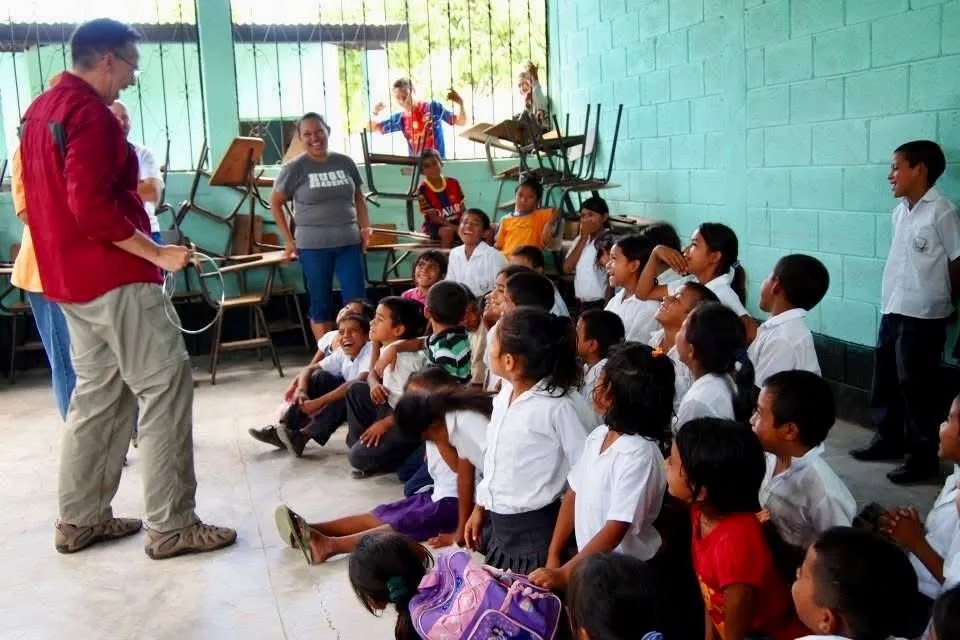
In one of the villages I met a little girl named Gailie. She was six years old. She didn't speak English, and I didn't speak Spanish. That didn't slow her down for a second.
Everywhere I went, there was Gailie. She took me all over her village and introduced me to everybody. She introduced me to her mother like I was her prize. And she gave me a name: Señor Mago Loco. Mister Crazy Magician.
The show behind the school drew maybe 75 to 100 people. Gailie stood next to me the whole time, holding on to my pant leg, with her friends crowded around her. We laughed a lot that day, and it made me very happy to bring that kind of joy to people who had so little.
A village on the railroad
The village I remember best was built on an old railroad bed. The way it was explained to me, an American company had grown coffee on that land. A disease hit the coffee plants, the company left, and people moved in.
They built houses out of whatever they could find: corrugated metal, rotting plywood, logs, even twigs. The railroad bed was the foundation. One family built a house. The next family built theirs onto the side of it, and so on down the line, until 50 or 60 families lived along the old tracks.
I went to Guatemala thinking I was bringing joy to these people. A couple of hours after we arrived, I realized the joy I was getting was at least as much as what I was giving. Maybe more.
Greg Miller
Our host was Greg Miller of Greg Miller Ministries. Greg grew up around Columbus, Ohio, and had moved to Guatemala 15 or 17 years before I got there.
Greg plants churches. He starts a church, puts up the building, preaches in it once or twice, trains someone local to be the minister, and then moves on to build the next one. He is still down there doing it, and those churches keep growing.
He taught me a lot. One day he took me to the market where the local people shop. Everyone spoke Spanish, in a local dialect that even fluent Spanish speakers have trouble following.
That's where I met the chicken man.
The chickens
We had the chicken man bring the birds out to the village. That evening I did a magic show, and the whole village came. Then the mayor stood up and read off a list of about 40 family names. Every family he called got a breeding pair of chickens, a hen and a rooster.
There was one rule. Don't eat the first two birds.
As long as Uncle Henry doesn't eat one of the first two, that family will always have chickens. The hen lays eggs. Some of the eggs hatch. The flock grows. The kids get eggs and meat, the protein and calories they need, and it doesn't run out after a few years. It can feed a family for generations.
Some of those flocks grew big enough that the families had to hire neighbors and relatives to help take care of them. We had turned a few people into business owners. I still get pictures on Facebook from people I have met around the world.
Chickens everywhere
I buy chickens everywhere I go now. I have bought them for a school in Cambodia, an orphanage in Peru, and a church congregation in Burkina Faso, in West Africa. Chickens can live just about anywhere the climate allows. They are easy to raise, and the eggs and the meat are both good protein.
My wife, Sue, has bought them too. Over the years, we have bought thousands of chickens for people around the world.
What I almost said no to
I turned this trip down the first time because I didn't want to dig a hole. What they needed from me was the thing I had been doing since 1981: getting a room full of strangers to laugh.
And ever since that market in Zacapa, every trip I take includes chickens.